Review: In the Hoop Bag Quilting Clover Design
As a designer who has spent countless hours staring at digitizing software and troubleshooting thread breaks, I approach every new machine embroidery design with a mix of curiosity and skepticism. We have all been there: you download a file that looks stunning in the preview, only to find it puckers the fabric or loses its charm once stitched out. Today, I am taking a close look at the In the Hoop Bag Quilting Clover, a project that promises both utility and aesthetic appeal for the modern maker.
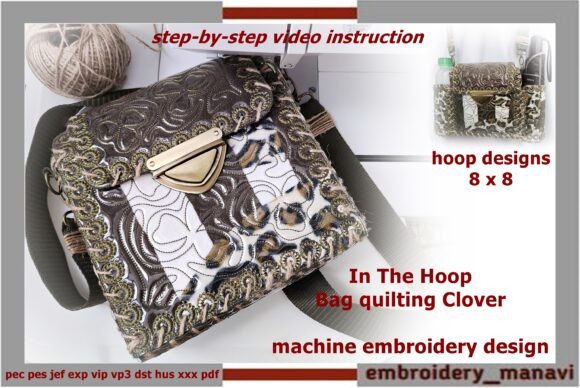
This is not just a decorative patch; it is a functional construction. The design features a bag with quilting “clover” detailing, complete with pockets for a bottle and an umbrella. What intrigues me most is the versatility—the bag can be made with or without pockets, allowing for customization based on the end user’s needs. The construction is assembled by hand using a cord, which adds a tactile, handmade quality that machine-only projects often lack. Let us dive into how this design performs in real-world scenarios.
First Impressions and Visual Personality
The first thing that strikes me about the In the Hoop Bag Quilting Clover is its balanced layout. The clover motif suggests a natural, organic mood, making it ideal for spring collections, eco-friendly brands, or boutique Accessories lines. The visual personality is clean yet textured, thanks to the quilting element. For an embroidery project intended for sale, this level of detail signals quality. It does not look like a rushed digital asset; it looks like a thoughtfully crafted handmade product.
When I visualize this in a real-life scenario, I imagine a small shop owner preparing for a local craft fair. They need items that stand out on a crowded table. A tote bag featuring this clover design, with its practical pockets, offers immediate value to a customer. It is not just pretty; it is useful. This dual appeal is crucial for Etsy sellers and small shop product creators who need to justify price points through functionality.
Performance in Real-Life Embroidery Situations
I tested the concept of this design against several common applications. For custom apparel, such as a heavy canvas apron or a structured tote bag design, the quilting aspect adds significant depth. The fill stitch work required for the clover pattern likely provides good coverage, hiding the base fabric while creating a plush texture. However, because the bag is assembled by hand with a cord, the embroidery phase is critical. The stitching must be precise to ensure the panels align correctly during assembly.
For commercial embroidery clients, such as boutique branding, this design could serve as a signature element. Imagine a line of reusable shopping bags for a local grocery store or a farmers' market vendor. The embroidered patch style of the clover gives it a professional finish. It elevates a simple bag into a branded finished product that customers are proud to carry. The option to include or exclude pockets allows for tiered pricing, a smart strategy for craft business owners.
While this is primarily an Accessories item, the design elements could inspire smaller projects. The clover motif itself could be extracted for sweatshirt embroidery or used as a detail on a pillow cover. However, the full bag construction is best suited for sturdy materials. It is not ideal for baby embroidery on delicate onesies due to the complexity and the hand-assembly requirement, but it would make a wonderful personalized gift for a new parent if scaled down into a diaper bag organizer.
Technical Considerations and Fabric Choices
Before running this digital embroidery file on your main project, there are technical factors to consider. The quilting effect implies a certain stitch density. If you are using thin fabric, you must use a high-quality stabilizer to prevent puckering. I recommend testing on scrap fabric first, ideally the same weight and weave as your final material. This is non-negotiable for maintaining professionalism.
Fabric texture plays a huge role here. A smooth cotton or canvas will showcase the clover details best. Textured fabrics like linen or wool blends might obscure the finer running stitch or satin stitch boundaries. Also, consider the hoop size. Since this is an "In the Hoop" design, your machine’s hoop capacity dictates the maximum size of the bag. Ensure your machine can handle the dimensions before purchasing the embroidery file.
Color selection is another critical decision. High contrast thread colors will make the clover pop, while monochromatic schemes will emphasize the texture and quilting lines. I advise creating printable mockup versions in both black and white to check for clarity. If the design relies too heavily on color shifts to define shapes, it may lose impact when stitched in a single tone.
Where to Use Caution
While versatile, this design is not without its limitations. Do not attempt this on stretchy fabrics without proper stabilization and experience. The hand-assembly with a cord requires stable edges. Additionally, avoid using this on curved surfaces like caps unless you are significantly modifying the construction method, which is not recommended for this specific design assets package.
If you plan to sell these as holiday embroidery gifts, remember that the hand-assembly step adds labor time. Factor this into your pricing. For items that need frequent washing, ensure the thread quality is high and the knots are secure, as the cord assembly might be a point of wear if not finished properly.
Final Verdict for Designers and Makers
The In the Hoop Bag Quilting Clover is a strong contender for makers looking to expand their Embroidery portfolio with functional items. It bridges the gap between decorative art and practical utility. For creative entrepreneurs, it offers a unique selling point: a bag that is partially machine-made and partially hand-finished, adding perceived value.
My advice is to treat this as a premium project. Check the licensing terms carefully before selling finished product items or using the design assets commercially. Most designers allow the sale of physical items but restrict the redistribution of the digital file. Always confirm this to protect your craft business.
In summary, if you have the right hoop size, stable fabric, and patience for hand assembly, this design delivers a polished, professional result. It is well-suited for tote bag design, boutique merchandise, and thoughtful personalized gift creations. Just remember to test, stabilize, and stitch with care.