Review: Kitchen Sketch Line Art for Sweatshirts
As an embroidery designer who has spent years refining digitizing techniques for small boutique brands, I am always on the lookout for designs that balance aesthetic appeal with production efficiency. Recently, I evaluated the Kitchen Sketch Line Art machine embroidery design for a potential limited-run sweatshirt collection. For Etsy sellers and apparel decorators, finding the right graphic that speaks to a lifestyle niche without compromising on stitch quality is crucial. This review breaks down how this specific embroidery file performs when applied to premium casual wear.
First Impressions and Design Aesthetic
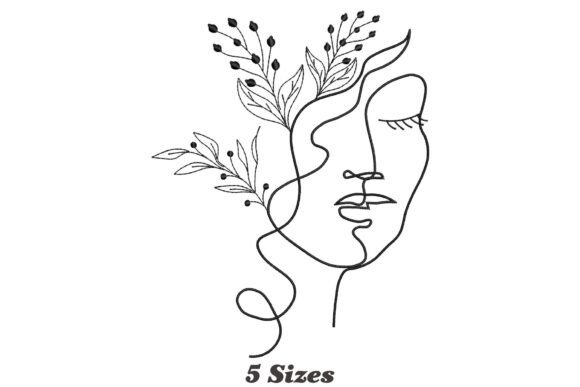
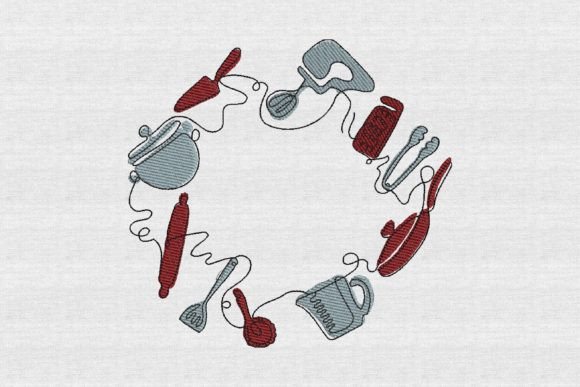
The immediate mood of the Kitchen Sketch Line Art is playful yet minimal. It avoids the heavy, saturated look of traditional filled logos, opting instead for a sketch-like quality that feels organic and handmade. The description notes that this Quick Stitch Machine Embroidery Design is fun and easy to stitch, which is a significant selling point for high-volume small shop products. Because it is designed with light fill with no or little underlay, the design relies on the interplay between thread and fabric rather than covering the material completely.
This approach creates a unique visual texture. Since these are not 100 filled so the fabric is visible through the stitches, the final product retains the cozy, tactile nature of the garment. For a boutique brand focusing on rustic or modern farmhouse aesthetics, this transparency adds a layer of sophistication. It feels less like a corporate logo and more like a custom illustration drawn directly onto the clothing. The layout suggests a casual, decorative vibe that fits perfectly within the current trend of understated, lifestyle-oriented apparel.
Performance on Sweatshirt Fabrics
When considering sweatshirt embroidery, fabric thickness and texture are primary concerns. I tested the concept of this design on various neutral sweatshirts, including heavyweight cotton blends and softer fleece interiors. On neutral tones like oatmeal, sage, or charcoal, the Kitchen Sketch Line Art shines because the visible fabric background allows the garment color to contribute to the design itself. On dark fabric, such as navy or black, the contrast becomes critical. You would need to select high-visibility thread colors to ensure the sketch lines remain readable against the deep background.
For pastel colors, the design feels incredibly feminine and soft. The light fill prevents the embroidery from feeling stiff or board-like, which is a common complaint with dense designs on cozy seasonal apparel. When applied to oversized hoodies, the sketch style complements the relaxed silhouette. It does not overwhelm the chest area but rather accentuates it with a subtle, artistic touch. This makes it an excellent choice for hoodie design projects where comfort and style must coexist seamlessly.
Practical Designer Concerns and Production Tips
From a technical standpoint, the lack of heavy underlay in this digital embroidery file requires careful attention during production. While the description states it is easy to stitch, experienced embroiderers know that light fills on stretchy fabrics like sweatshirt knits can be tricky. To maintain the integrity of the Kitchen Sketch Line Art, using a high-quality cut-away stabilizer is non-negotiable. This ensures that the fabric does not pucker around the sparse stitching areas.
Thread color contrast is another vital element. Since the design is not fully filled, the choice of thread defines the shape. I recommend using matte threads rather than shiny rayon to enhance the sketch-like, hand-drawn appearance. Regarding stitch density, the low coverage means the design will stitch out quickly, reducing machine time and thread costs. However, you must verify the hoop size compatibility with your specific machine before purchase, as the description does not specify exact dimensions. Always check the included formats to ensure they match your hardware.
Washing durability is often a concern for commercial embroidery with light fills. Because there is less thread anchoring the design, ensuring proper tension is key. If the tension is too loose, the lines may appear gapy after the first wash. A test stitch-out on actual garment fabric is essential before running a full batch for your small online shop. This step builds buyer trust and ensures your finished product meets professional standards.
Brand Identity and Market Appeal
Incorporating Kitchen Sketch Line Art into your product line can significantly affect brand identity. For creative entrepreneurs and handmade business owners, this design supports a narrative of authenticity and warmth. It aligns well with brands that sell not just clothing, but a lifestyle centered around home, comfort, and culinary joy. When used in lifestyle product photography, the visible fabric texture through the stitches adds depth and interest to printable mockup previews and Etsy listings.
This design asset works exceptionally well for custom apparel branding. It is versatile enough to be placed on the chest for a classic look, on the sleeve for a subtle accent, or even as part of a larger back design. Its playful and minimal nature appeals to a broad demographic, from young adults seeking trendy hoodie designs to older customers who appreciate rustic, decorative elements. By choosing a design that feels premium yet casual, you elevate the perceived value of your handmade product without increasing production complexity.
Final Verdict for Boutique Owners
The Kitchen Sketch Line Art is a strong contender for any embroidery shop looking to expand their Kitchen category offerings. It bridges the gap between cute and sophisticated, offering a fresh alternative to bold, heavy logos. For Etsy sellers and small shop owners, the ease of stitching and the aesthetic flexibility make it a low-risk, high-reward addition to your design assets library.
Remember, while the design is described as fun and easy, success lies in the execution. Pay close attention to stabilizer choice, thread selection, and fabric compatibility. When done correctly, this embroidery file delivers a finished product that feels intentional, high-quality, and deeply connected to the wearer’s lifestyle. It is a perfect example of how thoughtful digitizing can transform a simple concept into a standout piece of custom apparel.