Baby Footprint with Heart Shape: A Craft Fair Review
As an embroidery designer who has spent countless weekends behind a booth table, I know that not every digital file translates into a bestseller. When I first loaded the Baby Footprint with Heart Shape onto my machine for a test run, I was looking for more than just cute aesthetics. I was evaluating its potential as a high-converting craft fair product. This design immediately struck me as having that perfect balance of whimsical charm and clean execution that appeals to a broad range of customers, from new parents to gift-buying grandparents.
First Impressions and Visual Appeal
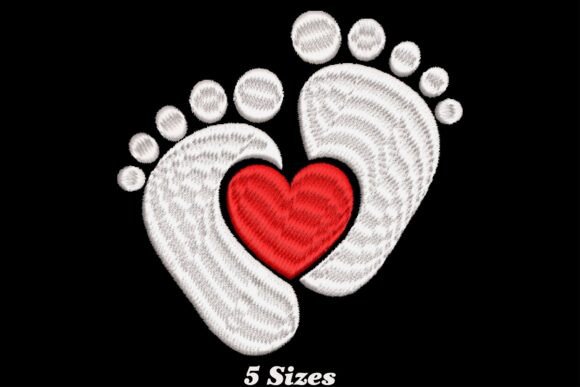
The immediate vibe of this design is soft, sentimental, and undeniably sweet. While the product category lists it under Boys, the universal symbolism of baby feet and a heart makes it versatile enough for any nursery theme. It does not feel overly rustic or strictly farmhouse; instead, it leans toward a modern, minimal decorative style that fits well in contemporary homes. For a handmade market, this is crucial. You want a design that looks premium and intentional, not cluttered.
When placed on a neutral fabric, the machine embroidery design stands out without screaming for attention. It invites the customer to lean in closer. This "quiet confidence" is exactly what you want for a small shop product. It suggests quality and care, which are the primary drivers for buyers choosing handmade over mass-produced items.
Best Products for Maximum Sales
To maximize your return on investment, you need to pair this design with the right substrates. Based on my experience, here is where the Baby Footprint with Heart Shape performs best:
- Tea Towel Embroidery: This is arguably the strongest contender. Kitchen linens are impulse buys at craft fairs. The design scales beautifully on a standard flour sack towel, offering a heartfelt gift option that is both practical and decorative.
- Tote Bag Design: A canvas tote featuring this motif becomes an instant heirloom-quality item. It works perfectly for diaper bags or library bags, appealing to parents who want something personalized yet subtle.
- Apron Embroidery: Consider stitching this on the bib of a child’s apron or even a grandparent’s cooking apron. It creates an emotional connection that drives sales during holiday markets.
- Embroidered Patch: If you offer patches, this design is compact enough to work well. It allows customers to add a touch of love to denim jackets or backpacks, expanding your target demographic beyond just nursery decor.
While it can work on pillows and home decor, keep in mind that larger items require more material cost and storage space at your booth. Smaller, high-turnover items like towels and pouches often yield better profit margins for weekend sellers.
Production Practicality and Batch Efficiency
For those of us running small businesses, time is money. One of the biggest advantages of this digital embroidery file is its likely simplicity. Although the description does not specify exact stitch counts, designs featuring simple shapes like footprints and hearts typically have manageable run times. This makes them ideal for batch production. You can hoop multiple tea towels or caps and let your machine run while you manage other aspects of your business.
However, you must verify the hoop size requirements before starting. Ensure the design fits comfortably within your standard hoops without requiring constant re-hooping, which slows down production. Additionally, check the stitch density. If the heart shape is filled with dense satin stitches, it may pull on lightweight fabrics. Always test on scrap fabric first to ensure the final result lies flat and professional.
Navigating Fabric and Thread Challenges
Not all fabrics behave the same way. When working with textured towels, the tiny details of the footprint might get lost if the pile is too high. In such cases, consider using a cut-away stabilizer to provide extra support and prevent distortion. For dark fabrics, you will need to carefully select your thread colors. High-contrast threads, such as white or pastel yellow on navy blue, will make the design pop. Low-contrast choices may look elegant but could fail to catch the eye of a passing customer at a busy market.
Curved surfaces, like caps, present another challenge. The footprint design needs to be centered perfectly to avoid looking skewed. Use water-soluble stabilizers on hats to ensure no residue remains after washing, maintaining the premium feel of your finished product.
Marketing and Online Presence
If you are an Etsy seller or sell through social media, the visual appeal of this design is a major asset. It photographs exceptionally well because of its clear lines and emotional resonance. Create a printable mockup or stage real-life photos with props like baby shoes or soft blankets to enhance the storytelling aspect of your listing.
Use keywords like "nursery decor," "new baby gift," and "handmade embroidery" to attract the right audience. Highlight that this is a commercial embroidery ready design if you are selling the file itself, or emphasize the handmade quality if you are selling the stitched items. Consistency in your brand imagery helps build trust. If your booth display features this design on cohesive items—like a matching set of towel and burp cloth—it increases the perceived value and encourages bundle purchases.
Final Designer Notes
Before you commit to producing inventory, take these final steps:
- Test Stitch: Always run a test on the exact fabric you plan to sell. Check for thread breaks or nesting.
- Review Licensing: Confirm the license terms of the design assets. Ensure you have the right to sell finished products made with this file.
- Check Details: Inspect the small areas of the footprint toes. If they are too small, they may not stitch out cleanly on all machines. Adjust scale if necessary.
- Color Strategy: Prepare a palette of thread colors that match current trends. Soft greens, blues, and grays are perennial favorites for baby items.
The Baby Footprint with Heart Shape is more than just a cute graphic; it is a strategic tool for your embroidery business. It offers versatility, emotional appeal, and production efficiency. By pairing it with the right products and paying attention to technical details like stabilizer choice and thread contrast, you can create a standout collection that resonates with customers and boosts your sales at your next craft fair.