Reviewing the Enchanting Baby Girl Princess Design
As a designer who has spent countless hours staring at digitized paths and troubleshooting thread breaks, I approach every new machine embroidery design with a mix of curiosity and caution. We all know that a pretty preview image on a website does not always translate to a clean, professional finished product. Recently, I pulled up the Enchanting Baby Girl Princess file to evaluate its potential for my current lineup of handmade goods. What struck me immediately was not just the theme, but the structural integrity of the layout. This is not merely a cute graphic; it is a thoughtful composition that balances whimsy with the technical constraints of home embroidery machines.
First Impressions and Visual Mood
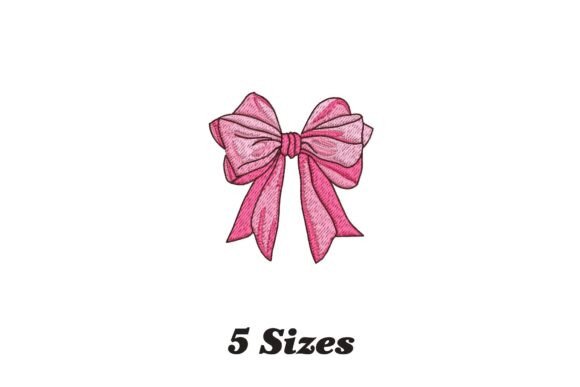
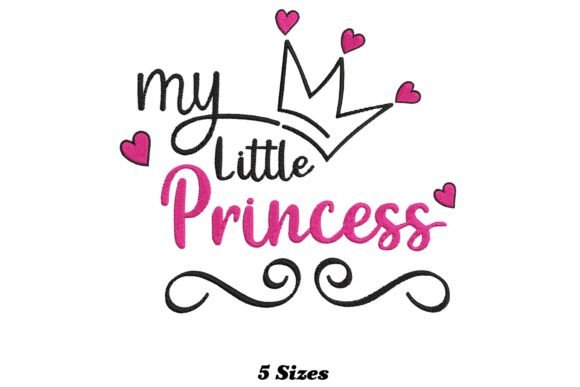
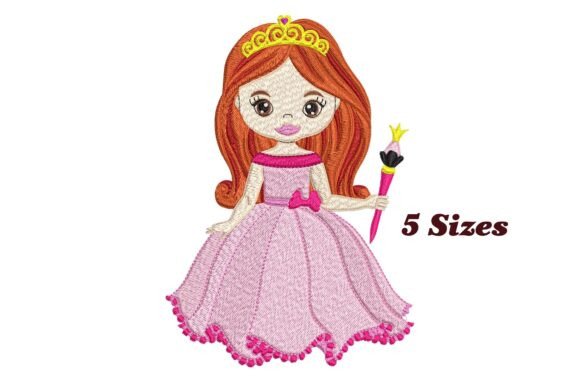
The first thing you notice about this design is its softness. In a market saturated with bold, high-contrast logos, the Enchanting Baby Girl Princess offers a gentle, storybook aesthetic. The lines are fluid, suggesting a blend of satin stitch borders and delicate fill stitch interiors that avoid looking blocky or heavy. For those of us creating baby embroidery items, this lightness is crucial. Heavy stitching on infant skin can be irritating, and bulky designs can distort thin fabrics. This design appears to respect those boundaries, offering charm without excessive density.
From a branding perspective, the mood is distinctly royal yet approachable. It evokes feelings of nostalgia and tenderness, which are powerful drivers for customers buying personalized gifts. Whether you are an Etsy seller specializing in nursery decor or a local craft business owner making custom apparel, the emotional resonance of this design adds immediate value to your handmade product.
Real-World Application: The Tote Bag Test
To truly understand how a design performs, you have to imagine it on actual fabric. I visualized this pattern on a natural cotton canvas tote bag design. The result was promising. The central motif stands out well against neutral backgrounds, making it an excellent choice for boutique merchandise. However, I also considered its use in custom apparel, specifically a children’s sweatshirt. Here, the design’s scale becomes critical. If the file is too large, it may overwhelm a small chest area; if too small, the intricate details might get lost in the fleece texture.
This brings us to a vital point for any embroidery project: context matters. While the product category is listed under Boys in some databases, the theme is universally appealing for any child who loves fairy tales. Do not let rigid categorization limit your creativity. This design works beautifully for gender-neutral pastel palettes, making it versatile for various small shop product lines. It fits seamlessly into collections focused on magic, storytelling, and childhood wonder.
Technical Considerations for Stitchers
Before loading this digital embroidery file into your machine, there are several practical factors to review. First, consider the stitch density. Designs with fine details often require precise tension settings. If the density is too high for the chosen fabric, you risk puckering. I always recommend testing on scrap fabric first, ideally using the same stabilizer and thread type you plan to use for the final item. A cut-away stabilizer is usually safer for stretchy fabrics like t-shirts, while a tear-away might suffice for stable woven towels.
Another key aspect is the thread colors. The enchanting nature of this princess design relies heavily on color harmony. Pastel pinks, lavenders, and soft golds will enhance the royal theme, but ensure there is enough contrast between the elements so they do not bleed into one another visually. If you are working with dark fabric, you may need to adjust the underlay or use a lighter backing to make the colors pop. Always check the design in black and white mockups to verify that the shapes remain distinct without color reliance.
Navigating Fabric and Hoop Constraints
Not every surface is ideal for every design. When using Enchanting Baby Girl Princess on textured fabrics like waffle-knit towels or thick terrycloth, be mindful of how the running stitch outlines interact with the pile. You might need to increase the stitch length slightly to prevent the threads from sinking into the fabric. Similarly, curved surfaces like caps require careful hooping. If the design is wide, it may not fit comfortably in a standard cap hoop without distortion. Always confirm your hoop size compatibility before purchasing or committing to a production run.
For items that will undergo frequent washing, such as kitchen towel sets or baby onesies, durability is paramount. Ensure that any satin columns are not too wide, as long satin stitches can snag easily. If the design includes tiny text or micro-details, verify that they are legible after stitching. Sometimes, what looks sharp on screen becomes a muddled blob on fabric if the resolution of the digitizing is not optimized for small scales.
Commercial Viability and Brand Consistency
For commercial embroidery professionals, consistency is key. Using a design like Enchanting Baby Girl Princess can help establish a recognizable style for your brand. It signals quality and attention to detail. Customers trust products that look professionally finished, and a well-executed embroidery job reinforces that trust. Whether you are creating holiday embroidery gifts or year-round boutique items, this design adds a layer of sophistication that justifies a higher price point.
However, always verify the licensing terms. Just because a file is available for download does not mean it is free for commercial use. Check whether the license allows you to sell physical finished products or if it restricts you to personal use only. Protecting your business means respecting intellectual property rights and ensuring you have the correct permissions for your design assets.
Final Verdict for Makers
In summary, the Enchanting Baby Girl Princess is a strong contender for your next embroidery file acquisition. It balances aesthetic appeal with technical feasibility, provided you pay attention to fabric choice and stabilization. It is particularly well-suited for personalized gift markets, nursery decor, and soft apparel. By taking the time to test and adjust, you can transform this digital asset into a tangible product that delights customers and enhances your reputation as a skilled maker. Remember, the best embroidery is not just about the stitch count; it is about the story the thread tells on the fabric.