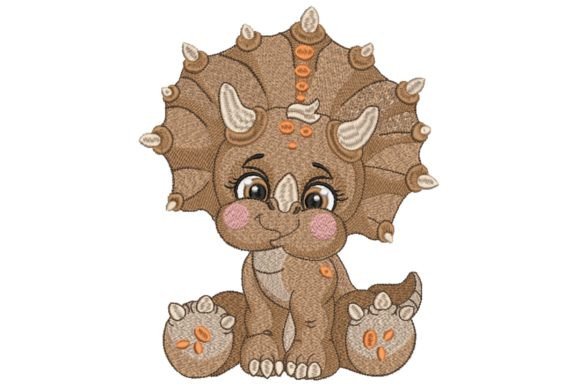
Reviewing the Cute Triceratops Baby Dinosaur Design
As a designer who has spent countless hours hooping, stitching, and unpicking, I approach every new machine embroidery design with a mix of curiosity and caution. We have all been there: downloading a file that looks perfect on the screen but turns into a tangled mess of thread breaks and puckering on the fabric. Recently, I had the chance to evaluate the Cute Triceratops Baby Dinosaur design, and I want to share my practical insights on how it performs in real-world scenarios.
This isn’t just about whether the dinosaur looks adorable—though it certainly does. It is about whether this embroidery file holds up under the pressure of commercial use, client expectations, and the physical limitations of various textiles. If you are an Etsy seller, a boutique owner, or a hobbyist looking to elevate your handmade products, understanding the technical behavior of a design is just as important as its aesthetic appeal.
First Impressions and Visual Personality
The first thing that strikes you about the Cute Triceratops Baby Dinosaur is its approachable charm. In the world of Dinosaurs themed Embroidery, designs often lean too heavily into realism, which can result in overly dense stitch counts and stiff finished products. This design, however, balances character with simplicity. The layout feels open and breathable, suggesting that the digitizer considered how the thread would lay on the fabric rather than just filling space.
The mood is playful yet polished. It avoids the cluttered look that plagues many low-quality digital assets. For a designer, this means the visual personality is versatile. It fits naturally into nursery decor, children’s apparel, and even quirky adult accessories. The shape is distinct enough to be recognizable from a distance, which is crucial for items like tote bags or caps where fine details might get lost.
Real-World Application: The Tote Bag Test
To truly understand the value of this design, I imagined a specific project: a custom canvas tote bag for a local bookstore’s children’s section. Canvas is a sturdy, textured fabric that can be unforgiving if the stitch density is too low or the stabilizer is inadequate. I visualized placing the Cute Triceratops Baby Dinosaur on the front panel.
In this scenario, the design’s clarity is its strongest asset. Because it likely utilizes a combination of satin stitch for outlines and fill stitch for the body, it should pop against the neutral background of the canvas. The key here is contrast. If you are using dark thread on a light bag, the definition needs to be sharp. This design appears to have clean edges, which suggests it will maintain its integrity without looking jagged or pixelated once stitched out.
For small business owners, this versatility is gold. You can use the same digital embroidery file for a sweatshirt, a pillow cover, or a kitchen towel, and it will adapt well. It transforms a basic item into a personalized gift or a unique small shop product without requiring complex customization.
Navigating Fabric Challenges
While the design is robust, no embroidery project is without its pitfalls. Here is where experienced judgment comes into play. If you are planning to use this on stretchy fabrics, such as jersey knits for baby clothes, you must be diligent with your stabilizer. A cute design can quickly turn into a distorted mess if the fabric shifts during stitching.
Additionally, consider the hoop size. While the design seems compact, always check the specific dimensions provided in the file package. If you are working with small hoop sizes on a multi-needle machine, ensure the design fits comfortably within the margin to avoid needle hits. For textured fabrics like terry cloth or fleece, the finer details might sink in. In those cases, using a topping or adjusting the pull compensation settings can help the Cute Triceratops Baby Dinosaur stand out clearly.
Dark fabrics present another challenge. If you are stitching this onto a navy blue sweatshirt, you need to ensure your thread colors have enough contrast. A pale green dinosaur might disappear. Testing your thread palette on scrap fabric before committing to the final garment is a non-negotiable step for professional results.
Commercial Viability and Brand Consistency
For craft business owners and Etsy sellers, the question is always: will this sell? The answer lies in the perceived quality. A well-executed embroidered patch or direct-to-garment stitch adds tangible value. Customers associate clean embroidery with professionalism. The Cute Triceratops Baby Dinosaur offers a level of exclusivity that mass-produced prints cannot match.
When creating printable mockups or digital product previews, this design shines because of its clear silhouette. It photographs well, which is essential for online listings. Whether you are selling finished products or offering custom apparel services, having a reliable design asset builds buyer engagement and trust. It shows that you care about the details, from the stitch direction to the final trim.
Practical Designer Notes
Before you load this design into your machine, keep these practical tips in mind:
- Test on Scraps: Always stitch a test run on the same type of fabric you intend to use for the final product. This helps you identify any tension issues or thread breaks.
- Check File Formats: The product description mentions multiple embroidery file formats. Ensure you select the correct format for your specific machine model to avoid conversion errors.
- Review Licensing: If you plan to sell items featuring the Cute Triceratops Baby Dinosaur, confirm the license terms. Most commercial embroidery designs allow for selling finished physical items, but restrictions may apply to digital resale.
- Thread Quality Matters: Use high-quality rayon or polyester threads to achieve the best sheen and durability, especially for items that will be washed frequently.
- Stabilizer Selection: Match your stabilizer to your fabric. Cut-away stabilizers are generally better for stretchy knits, while tear-away works well for stable wovens.
In conclusion, the Cute Triceratops Baby Dinosaur is more than just a cute image; it is a functional design asset that, when used correctly, can enhance your embroidery portfolio. It bridges the gap between whimsical charm and professional execution. By paying attention to fabric choice, stabilizer support, and thread contrast, you can ensure that every stitched piece meets the high standards your customers expect. Whether you are creating holiday embroidery gifts or stocking your boutique with unique dinosaur-themed gear, this design offers a solid foundation for creative success.