Beautiful Rose Flower: A Designer’s Real-World Review
As an embroidery designer who has spent years digitizing patterns and stitching out thousands of samples, I approach every new machine embroidery design with a mix of curiosity and skepticism. We have all seen designs that look stunning on a screen but turn into a tangled mess of thread breaks and puckering on the fabric. When I first opened the Beautiful Rose Flower file, my immediate goal was to determine if this digital asset could hold up under the pressure of real-world production. This is not just about aesthetics; it is about viability for craft businesses, Etsy sellers, and anyone looking to create high-quality handmade products.
First Impressions and Visual Mood
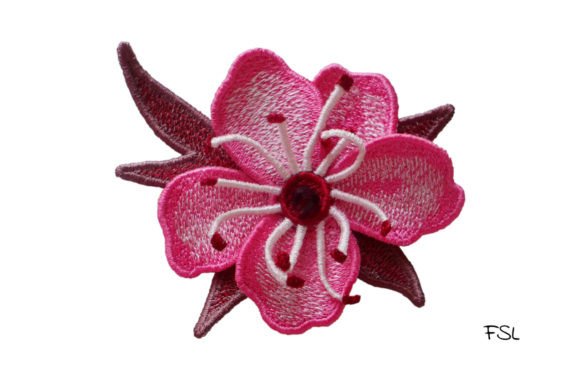
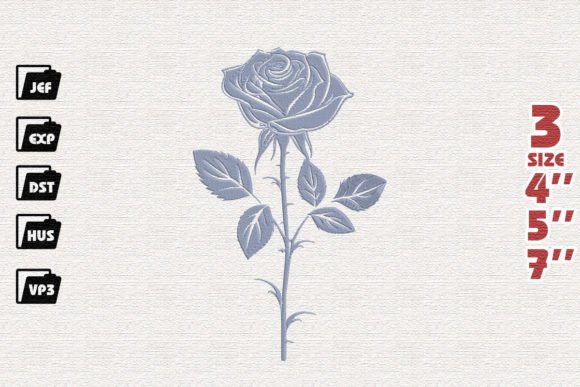
The initial visual impact of Beautiful Rose Flower is striking. It captures the organic elegance of nature without feeling overly rigid or cartoonish. The layout suggests a thoughtful balance between detail and stitchability. For those of us in the Bouquets category, finding a single bloom that stands alone effectively is crucial. This design does not rely on excessive complexity to make its point. Instead, it uses shape and flow to create a sense of movement. The mood is romantic yet versatile, making it suitable for a wide range of applications from delicate baby items to bold adult apparel.
What stands out most is the potential for color interpretation. While the preview likely shows vibrant hues, the structure of the design allows for subtle tonal shifts. This is vital for creating depth in embroidery project work. A flat rose looks cheap; a rose with dimensional shading looks expensive. This design appears to offer the latter, provided the user selects their thread colors with care.
Real-World Application: The Tote Bag Test
To truly evaluate a design, you must imagine it on a specific product. I mentally placed Beautiful Rose Flower on a heavy canvas tote bag. This is a common item for small shop products and craft fair merchandise. On a textured surface like canvas, simple running stitches can get lost, while overly dense fill stitches can cause the fabric to warp. This design seems to strike a middle ground. The petals likely utilize a combination of satin stitch for the edges and fill stitch for the body, which helps the image pop against the rough weave of the fabric.
For an Etsy seller, this versatility is key. You are not limited to one niche. The same digital embroidery file can be scaled down for a pocket on a denim jacket or scaled up for a pillow cover. I envision this working exceptionally well as a central motif on a linen apron, where the natural theme complements the kitchen aesthetic. It adds a touch of sophistication that elevates a basic textile into a personalized gift or boutique branding element.
Performance on Challenging Fabrics
However, we must address the challenges. Not every fabric behaves the same way. If you are planning to use this on stretchy materials like jersey t-shirts or sweatshirts, caution is required. The curvature of the rose petals means that if the stitch density is too high, the garment will pucker after washing. I recommend testing this design on scrap fabric first, using a cut-away stabilizer for knits to ensure stability.
Similarly, when working with dark fabrics, the contrast becomes critical. A red rose on black cotton needs precise thread selection to avoid looking muddy. I advise reviewing the design in a black-and-white mockup before stitching. This helps you see if the details remain clear without relying on color differentiation. If the outlines blur in grayscale, you may need to adjust your thread choices or add a backing layer to enhance visibility.
Commercial Viability and Brand Consistency
For commercial embroidery professionals, consistency is everything. Customers trust brands that deliver uniform quality. Beautiful Rose Flower offers a level of professionalism that supports brand consistency. Whether you are creating holiday embroidery for seasonal gifts or year-round custom apparel, the design maintains its integrity. It does not look like a generic clipart conversion; it feels like a purpose-built embroidery asset.
This matters for buyer engagement. In a crowded marketplace, the finish of your product speaks volumes. A clean, well-stitched rose signals attention to detail. It enhances the perceived value of your handmade product. Whether it is an embroidered patch for a cap or a delicate accent on a baby onesie, the clarity of the design contributes to customer trust. People buy with their eyes first, and this design catches the eye without overwhelming it.
Practical Designer Notes
Before you commit to a large production run or list this as a new item in your shop, consider these practical steps:
- Check the License: Always confirm licensing terms before selling finished items or digital products. Ensure the file allows for commercial use if you plan to sell the physical goods.
- Test Hoop Size: Verify that the design fits within your machine’s maximum hoop size, especially if you plan to enlarge it for larger items like blanket corners or pillow covers.
- Stabilizer Selection: Match your stabilizer to your fabric. Use tear-away for stable woven fabrics and cut-away for stretchy knits to prevent distortion.
- Thread Quality: High-sheen rayon or polyester threads work best for satin stitches to highlight the petal curves. Matte cotton may flatten the visual impact.
- Inspect Small Details: Zoom in on the digital file. Look for any stray stitches or overly dense areas that might cause needle breaks.
Final Verdict for Makers and Sellers
In the world of Embroidery, finding a design that balances beauty with technical reliability is rare. Beautiful Rose Flower succeeds in being both visually appealing and practically sound. It is not just a pretty picture; it is a functional tool for creators. Whether you are a hobbyist making gifts for family or a serious entrepreneur building a brand, this design offers flexibility. It works well for personalized gifts, nursery decor, and even corporate branding if styled correctly.
Remember, the final result depends on your execution. Take the time to understand how the applique design elements interact with your specific machine and materials. Test it on different fabric textures to see how the light hits the stitches. When done right, this rose becomes more than thread on cloth; it becomes a statement piece that resonates with customers. It adds that burst of color and nature’s beauty promised in the description, but with the durability and polish required for professional sale. For anyone looking to expand their library of reliable, high-quality assets, this rose is worth the stitch-out.