Wolf Paw: A Designer’s Review for Real Embroidery Projects
As an embroidery designer who has spent years digitizing patterns and testing them on everything from flimsy silk to heavy denim, I approach every new machine embroidery design with a critical eye. It is not enough for a motif to look cute on a screen; it must hold up under the needle, survive the wash cycle, and appeal to the end customer. Recently, I evaluated the Wolf Paw design, a charming addition to the Wild Animals category, to determine its viability for real-world commercial and personal use. Here is my practical assessment of how this design performs in the field.
First Impressions: Whimsy Meets Structure
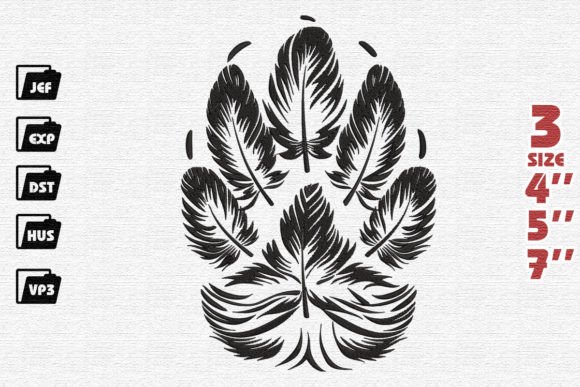
The first thing that strikes you about Wolf Paw is its balanced personality. It manages to be whimsical without losing structural integrity. Many animal-themed designs lean too heavily into cartoonish exaggeration, which can result in messy stitching when scaled down. However, this design maintains clean lines and a coherent shape that suggests a professional digitizer understood the limitations of thread. The layout feels organic, avoiding the rigid symmetry that often makes embroidered items look mass-produced rather than handmade.
For a crafter or Etsy seller, this visual appeal is crucial. Customers are drawn to designs that feel intentional. The paw motif evokes a sense of adventure and nature, making it versatile for various demographics. It is not just for children; the simplified elegance allows it to fit comfortably on adult apparel and home decor items alike. When I first loaded the embroidery file into my software, the preview showed a promising distribution of stitch types, hinting at a smooth sewing experience.
Real-World Application: From Totes to Tees
To truly test a design, you must imagine it on actual products. I visualized Wolf Paw on a canvas tote bag, a popular item for small shop products. The design’s size and detail level seemed ideal for a central placement on a medium-weight cotton canvas. The charm mentioned in the product description holds true here; it adds a playful accent that elevates a basic bag into a personalized gift.
I also considered its application in custom apparel. On a heather grey sweatshirt, the design would benefit from high-contrast thread colors. Imagine a deep navy paw on a light grey fleece; the texture of the fabric combined with the raised stitches creates a tactile experience that buyers love. For baby embroidery, such as on a onesie or a nursery blanket, the soft, rounded edges of the paw design feel safe and inviting. It lacks sharp, aggressive angles, which is a subtle but important psychological cue for parents purchasing items for infants.
Another strong use case is the embroidered patch. Patches are trending in boutique branding and DIY fashion. If this design is digitized with a satin stitch border, it would cut cleanly and apply well to denim jackets or caps. The compact nature of a paw print makes it an excellent candidate for smaller hoop sizes, allowing for placement on cuffs, collars, or pocket areas where larger designs would overwhelm the garment.
Technical Performance and Stitch Quality
While the aesthetic is appealing, the technical execution determines whether a design is a joy or a nightmare to sew. Based on the visual complexity, Wolf Paw appears to utilize a mix of fill stitches for the main pad of the paw and satin or running stitches for the toes and claws. This combination is standard for achieving depth without excessive bulk.
However, stitch density is always a concern with animal motifs. If the digitizer packed too many stitches into the small toe areas, you risk thread breaks or fabric puckering, especially on thinner materials. I recommend checking the stitch count and density map in your embroidery software before hitting start. If the density is high, using a cut-away stabilizer is non-negotiable to support the fabric during stitching. For stretchy fabrics like jersey knits used in t-shirts, a lightweight cut-away will prevent the design from distorting over time.
Thread color selection plays a massive role in the final outcome. Because the design relies on shape recognition, contrast is key. On dark fabrics, using metallic or variegated threads can add a premium feel to the finished product. Conversely, on light home decor items like tea towels or pillow covers, tonal stitching (using a thread color slightly darker than the fabric) creates a sophisticated, understated look that appeals to modern interior design trends.
Navigating Fabric and Hoop Constraints
Not every fabric is a suitable canvas for every design. While Wolf Paw is versatile, it requires careful handling on textured or difficult surfaces. For instance, stitching on a terry cloth towel requires a topping sheet to prevent the stitches from sinking into the loops. Without it, the crisp details of the paw could get lost, ruining the visual clarity.
Curved surfaces, such as baseball caps, present another challenge. If you plan to use this design for holiday embroidery gifts on hats, ensure your machine has a cap frame and that the design is centered correctly. The curvature can distort the perception of the paw’s shape if not aligned perfectly with the seam. Additionally, avoid placing the design too close to the edge of the hoop to prevent hoop burns, which are unsightly marks left by the frame on delicate fabrics.
For those interested in commercial embroidery, consistency is vital. If you are producing batches of items for a craft fair or online store, test the design on scrap fabric from the same bolt you intend to use. This step helps you identify any tension issues or thread breaks before committing to sellable inventory. It also allows you to refine your thread color palette to ensure brand consistency across different product lines.
Commercial Viability and Branding
From a business perspective, Wolf Paw offers strong potential for differentiation. In a market saturated with generic floral or monogram designs, a well-executed animal motif can help a brand stand out. It fits naturally into niches focused on outdoors, pets, wildlife conservation, or rustic cabin aesthetics. For digital product sellers, offering this as part of a bundle with other wild animal elements could increase average order value.
When creating printable mockups for your online listings, ensure the lighting highlights the texture of the stitches. Buyers of handmade products want to see the quality of the work. Show the design on various backgrounds to demonstrate its versatility. Mentioning that the design is suitable for both personal and commercial projects (after verifying the license) can broaden your customer base significantly.
Final Designer Notes
Before you begin your next embroidery project with Wolf Paw, keep these practical tips in mind:
- Test First: Always stitch out a sample on your intended fabric to check for registration issues.
- Stabilizer Choice: Match your stabilizer to the fabric weight; tear-away for stable wovens, cut-away for knits.
- Thread Contrast: Use high-contrast threads for visibility on busy fabrics, or tonal threads for elegance.
- License Check: Confirm the licensing terms for the digital embroidery file to ensure compliance for commercial sales.
- Hoop Size: Verify the required hoop size against your machine’s capabilities to avoid resizing errors.
In conclusion, Wolf Paw is a solid choice for designers looking to add a touch of whimsical charm to their repertoire. Its adaptability across various products, from sweatshirt embroidery to home decor, makes it a valuable asset for any creative entrepreneur. By paying attention to technical details and fabric choices, you can ensure that each stitched piece meets the high standards expected by today’s discerning customers.