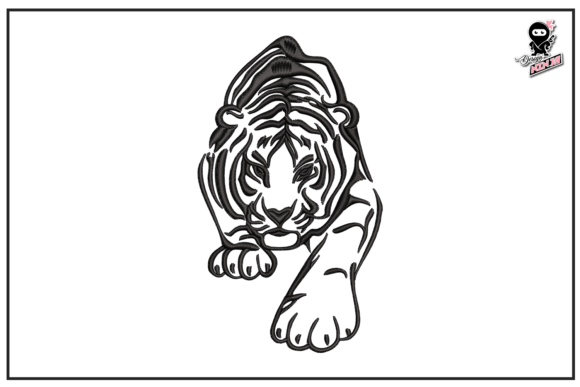
Tiger Outline: A Seasonal Embroidery Review
As an embroidery designer who spends countless hours analyzing stitch paths and color palettes, I approach every new machine embroidery design with a critical eye. It is not just about whether the file stitches out cleanly; it is about whether the design sells. When I first loaded the Tiger Outline into my software, I was looking for that specific spark that turns a standard digitized file into a best-selling seasonal product. This design, categorized under Wild Animals, offers a distinct blend of whimsy and structure that makes it a versatile contender for holiday collections.
First Impressions and Seasonal Mood
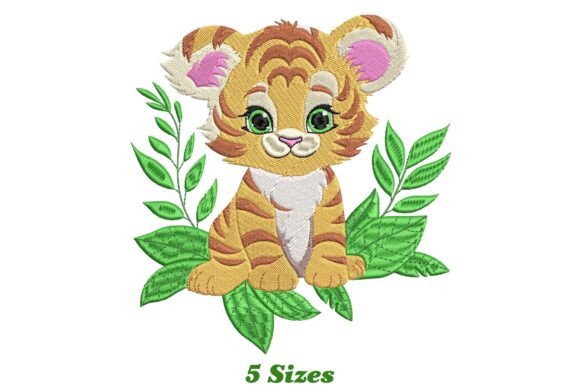
The immediate appeal of Tiger Outline lies in its clean, graphic nature. Unlike highly shaded or photorealistic designs, this outline style relies on negative space and bold lines. For a seasonal collection, this is a significant advantage. It feels modern yet nostalgic, tapping into the current trend of minimalist home decor while retaining the playful charm required for family gifts. The emotional tone is light and inviting, making it suitable for a wide range of demographics, from young parents looking for nursery decor to adults seeking quirky kitchen accents.
When considering seasonal embroidery, we often think of snowflakes or pumpkins. However, animal motifs have a perennial appeal that spikes during gift-giving periods. The tiger, as a symbol of strength and playfulness, fits beautifully into winter themes when paired with cozy textures. Imagine this design stitched in deep orange and black thread on a cream-colored knit. It evokes warmth, comfort, and a touch of wild elegance. This is not just a cute animal; it is a statement piece that can anchor a entire product line.
Real-World Applications for Holiday Selling
For Etsy sellers and small shop owners, versatility is key to maximizing return on investment. I tested the potential of Tiger Outline across various product categories, and the results were promising. Here is how this design performs in real holiday selling situations:
- Sweatshirt Embroidery: The outline style prevents the garment from becoming too stiff or heavy. Placed on the left chest or as a large back print, it creates a premium look that appeals to buyers seeking unique, non-mass-produced apparel.
- Kitchen Towel Embroidery: This is a high-volume seller during the holidays. The design’s simplicity ensures it remains legible even on textured fabrics like waffle weave or terry cloth. It adds a fun, whimsical accent to gift sets.
- Tote Bag Design: Canvas bags are staples for holiday shopping. Stitching the tiger outline in contrasting thread colors makes for a durable and stylish accessory that customers love to reuse.
- Pillow Cover and Home Decor: For home decorators, this design works exceptionally well on linen or cotton blends. It serves as a focal point without overwhelming the room’s aesthetic, perfect for creating a cozy, curated look.
- Embroidered Patch: Creating iron-on or sew-on patches allows for low-risk inventory. Customers can buy the patch to customize their own jackets or hats, increasing engagement and perceived value.
Furthermore, this design is ideal for personalized gift bundles. You can easily pair the tiger motif with a name or date, using a complementary font. The open nature of the outline allows text to sit comfortably nearby without visual clutter. This flexibility is crucial for creating limited-edition apparel or family matching items, which are huge drivers of revenue during the fourth quarter.
Technical Considerations and Careful Placement
While Tiger Outline is robust, there are areas where caution is necessary. As a professional, I always advise checking the specific details provided with the digital embroidery file. Since the product description notes that the design comes in a format suitable for various uses, you must verify the hoop size compatibility before starting a batch production run.
One common pitfall with outline designs is stitch density. If the density is too low, the fabric may show through excessively, especially on dark fabric. Conversely, if it is too high, the fabric may pucker. I recommend testing thread colors on both light and dark fabric samples. On dark garments, consider using a white or light gray underlay to ensure the tiger’s features pop. Additionally, when stitching on stretchy garments like t-shirts, using the correct stabilizer is non-negotiable. A cut-away stabilizer is often safer for long-term durability, especially for items that will undergo repeated washing.
Be mindful of tiny details. If you scale the design down for small hoop sizes, such as for baby items or ornaments, ensure that the narrowest parts of the outline do not become so thin that they break during wear or washing. Always review small details after stitching a test sample. For curved caps, the rigid nature of an outline might require careful hooping techniques to avoid distortion.
Enhancing Brand Consistency and Visual Appeal
In the crowded marketplace of handmade goods, visual recognition is vital. Tiger Outline helps build brand consistency because its clean lines translate well into printable mockup graphics and social media previews. When you create promotional materials, the high contrast of the design stands out even in thumbnail images. This improves click-through rates on platforms like Etsy.
Moreover, the design affects buyer emotion by conveying quality. A clean, well-digitized outline suggests professionalism. It signals to the customer that the finished product will be neat and durable. This builds trust, which is essential for converting browsers into buyers during the hectic holiday shopping period. By using this design across multiple products—such as aprons, table linens, and baby items—you create a cohesive collection that encourages larger basket sizes.
Practical Designer Notes for Success
To get the most out of this Wild Animals themed Embroidery file, follow these practical steps:
- Test Thread Colors: Do not rely solely on default color stops. Experiment with metallic thread for a festive holiday twist, or matte cotton for a rustic, natural look.
- Check Fabric Texture: The outcome varies significantly between smooth cotton and plush fleece. Adjust tension and stabilizer accordingly.
- Confirm Commercial Licensing: Before selling any commercial embroidery products, ensure you understand the license terms associated with the file. Most designers allow physical sales but restrict digital redistribution.
- Create Realistic Mockups: Use high-quality photos of your stitched samples to create realistic mockups. Show the texture of the thread and the drape of the fabric.
- Plan Matching Color Palettes: Develop a set of recommended thread color combinations that work for different seasons. For example, red and green for Christmas, or pastels for spring.
In conclusion, Tiger Outline is more than just a decorative element; it is a strategic asset for your seasonal product lineup. Its adaptability, combined with its charming aesthetic, makes it a strong candidate for boosting sales in the competitive holiday market. By paying attention to technical details and leveraging its visual appeal, you can create standout products that resonate with customers seeking unique, handmade treasures.