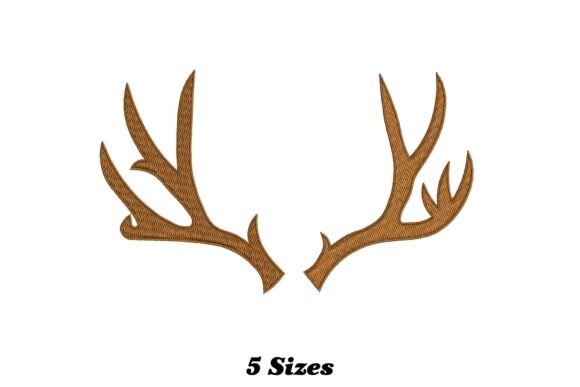
Buck Antlers: A Designer’s Review for Craft Fair Success
As an embroidery designer who has spent countless weekends behind a booth table, I know that not every machine embroidery design is created equal. Some look stunning on a screen but fail to catch the eye in person. Others are so complex they eat up thread and time without adding proportional value. Today, I am reviewing Buck Antlers, a design from the Woodland Animals category, specifically evaluating its potential as a high-performing craft fair product.
My goal is simple: determine if this design can carry a small shop’s revenue during the busy holiday market season. I am looking at it through the lens of production efficiency, visual appeal, and customer engagement.
First Impressions: Rustic Charm Meets Modern Whimsy
The first thing I notice about Buck Antlers is its versatility. The description promises a "dash of charm" and a "playful and whimsical touch," which immediately signals that this is not a stiff, hyper-realistic hunting trophy motif. Instead, it feels approachable. It sits comfortably in that sweet spot between rustic farmhouse and modern minimalism. This is crucial because it allows the design to appeal to a broader demographic than a strictly traditional woodland theme might.
For an Etsy seller or boutique maker, this aesthetic flexibility is gold. It does not scream "cabin decor" exclusively; it whispers "cozy home." This subtle distinction means you can place it on items that go into urban apartments just as easily as rural cottages. The design feels bold enough to be seen from three feet away—a critical factor for booth traffic—but refined enough to invite closer inspection.
Product Application: Where Does It Shine?
To truly test a design, you must imagine it on various substrates. Here is how Buck Antlers performs across different handmade products:
- Tote Bag Design: This is arguably the strongest application. A large, centered antler design on a natural canvas tote creates an instant bestseller. It is visible, trendy, and practical. Customers love seeing the design clearly while walking through the fair.
- Apron Embroidery: Placing the antlers on the bib of a linen apron adds a touch of whimsy to kitchen wear. It transforms a utilitarian item into a giftable small shop product.
- Tea Towel Embroidery: For kitchen linens, scale is key. If the design is too large, it overwhelms the towel. However, if sized correctly as a corner accent or centered motif, it adds significant perceived value to a simple cotton towel.
- Embroidered Patch: Patches are low-risk, high-volume items. Buck Antlers works well here because the shape is distinct. Ensure the edges are satin-stitched or properly finished to prevent fraying after purchase.
- Caps and Hats: Curved surfaces are tricky. The antler shape is vertical, which fits well on the front panel of a dad hat or trucker cap. However, you must check the stitch density to ensure the fabric does not pucker on the curved brim area.
Production Practicality for the Busy Maker
When preparing for a craft fair, time is money. A design that takes four hours to stitch is rarely profitable unless you are charging premium prices. While I do not have the exact stitch count for this specific file, the description suggests a "cool" and "playful" style, which often implies cleaner lines and fewer unnecessary fill stitches compared to photorealistic designs.
Batch production is where Buck Antlers can truly boost your bottom line. If the design is optimized for speed, you can hoop multiple tea towels or patches in one session. Consistency is vital for brand perception. When a customer sees five identical, perfectly stitched antler designs on a display rack, it signals professionalism and quality control.
Photography is another major consideration. This design likely photographs beautifully for online listings. The contrast of thread against fabric creates texture that cameras love. Creating a printable mockup or using digital design assets to preview the colorways before stitching can save you from wasting expensive thread on combinations that do not pop.
Careful-Use Notes and Technical Considerations
Even the best designs have pitfalls. Here are my technical warnings for executing Buck Antlers effectively:
- Fabric Texture: Textured towels can swallow small details. If the antler design has fine tips or intricate inner lines, test it on a terry cloth towel first. You may need to adjust the stabilizer type or use a topping to keep stitches from sinking into the pile.
- Dark Fabric: If you are stitching on navy or black fabrics, ensure your thread colors have enough contrast. Metallic threads can add a premium feel but may require slower machine speeds to prevent breakage.
- Scale and Clarity: Do not shrink this design too much. Antlers rely on their branching structure for recognition. If reduced to a tiny size, the details may merge, losing the "whimsical" clarity. Always check the recommended hoop size limits provided with the digital embroidery file.
- Dense Stitch Areas: Check the base of the antlers. If there is heavy saturation, use a cut-away stabilizer for garments like t-shirts to prevent distortion over time. For woven home decor, a tear-away may suffice if the density is low.
Boosting Brand Consistency and Buyer Engagement
Using Buck Antlers consistently across your product line strengthens your brand identity. Imagine a booth where the tote bags, pillow covers, and even the packaging tags feature the same antler motif. This repetition creates a cohesive visual story that draws customers in. It signals that you are a curated commercial embroidery business, not just someone selling random items.
Customer attention is captured by familiarity and novelty. The woodland theme is familiar, but the playful execution offers novelty. Engage buyers by asking them which thread color combination they prefer. This interaction slows them down at your table, increasing the likelihood of a sale.
Final Designer Verdict
Before you commit to full production, follow these steps:
- Test the design on scrap fabric similar to your final product.
- Review spacing and confirm the hoop size fits your machine capabilities.
- Inspect stitch density on a test run to ensure no puckering.
- Create at least one real mockup to compare fabric colors.
- Crucial: Confirm commercial licensing terms. Ensure the embroidery file you purchase allows for the sale of finished physical goods.
Buck Antlers has the potential to be a staple in your craft fair inventory. It balances aesthetic appeal with production practicality. By paying attention to fabric choice, stabilizer selection, and scale, you can turn this whimsical woodland motif into a reliable revenue stream for your handmade business.