Quirky Cow: A Designer’s Review for Craft Fair Success
As an embroidery designer who has spent countless weekends behind a booth table, I know that not every design translates into sales. Some look great on a screen but fail to catch the eye in a crowded market. When I first loaded the Quirky Cow machine embroidery design into my software, I was looking for that specific spark—a blend of charm and clarity that turns a browser into a buyer. This review breaks down how this Farm Animals themed Embroidery piece performs in the real world of handmade business.
First Impressions: Charm Meets Commercial Viability
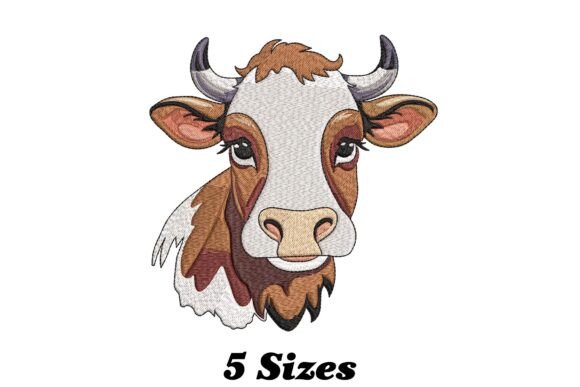
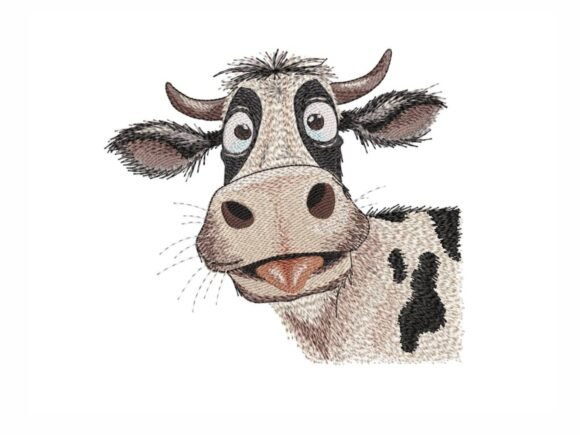
The title "Quirky Cow" sets a clear expectation. You are not looking for a hyper-realistic Holstein or a stiff, traditional farmhouse motif. Instead, you get something with personality. In a craft fair setting, customers are drawn to items that make them smile. This design feels playful and approachable, striking a balance between cute and modern rustic. It does not try too hard to be elegant; instead, it leans into a friendly, decorative aesthetic that works beautifully for gift items and casual home decor.
For an Etsy seller or small shop product creator, this mood is crucial. It appeals to a broad demographic, from parents looking for unique nursery accents to adults who appreciate whimsical kitchen decor. The visual appeal is immediate, which is vital when you have only seconds to capture attention in a busy aisle.
Product Versatility and Market Fit
The true test of any digital embroidery file is its adaptability. Quirky Cow shines across several key categories for craft fair products. Here is how it performs on common handmade items:
- Tote Bag Design: This is arguably the strongest application. A large hoop size allows the cow to be the focal point. On canvas or cotton totes, the design stands out clearly, making it an impulse buy for shoppers carrying their other purchases.
- Apron Embroidery: Kitchen-themed items are perennial bestsellers. Placing Quirky Cow on the bib of an apron creates a cohesive theme. It adds value to a simple linen or cotton apron, transforming it from a utility item into a charming gift.
- Tea Towel Embroidery: For smaller hoops, this design can serve as a delightful accent. However, care must be taken with fabric texture. Terry cloth or heavily textured towels can obscure details, so smooth waffle weave or flat cotton is recommended for clarity.
- Embroidered Patch: If the design scales down well, it makes for excellent iron-on or sew-on patches. These are low-cost, high-margin small shop products that appeal to younger demographics looking to customize denim jackets or backpacks.
- Caps and Headwear: Curved cap surfaces are tricky. If the design is too wide, it may distort. I recommend testing the stitch density on a curved surface to ensure the fabric does not pucker.
Production Practicalities for Batch Selling
When preparing for a weekend market, efficiency is key. You need designs that are repeatable and reliable. Quirky Cow appears to be structured for relatively straightforward production. The lines seem clean, suggesting that the stitch density is balanced to provide coverage without excessive bulk. This is important for apparel, where heavy stitching can feel uncomfortable against the skin.
Photography is another critical factor. This design photographs well because of its distinct shapes. Whether you are creating a printable mockup for your online store or taking photos of your finished product at the fair, the silhouette remains recognizable. High contrast thread colors will enhance this effect, making the listing pop on social media feeds.
Careful-Use Notes and Technical Considerations
While the design is user-friendly, there are technical aspects to consider before launching your commercial embroidery run. Always check the specific details provided with the digital embroidery file, as they vary by vendor.
- Fabric Texture: As mentioned, avoid highly textured fabrics if the design includes fine details. The quirks of the cow might get lost in a plush towel.
- Dark Fabric: If stitching on black or navy, ensure you use bright, contrasting thread colors. A dark cow on dark fabric will vanish. Consider using a lighter stabilizer backing if the fabric is thin to prevent show-through.
- Small Lettering: If the design includes text, verify the legibility at smaller sizes. Tiny lettering often merges together after washing. If possible, choose a version of the design without text for maximum versatility, or add your own text separately.
- Stabilizer Choice: Use the right stabilizer for your fabric. Cut-away stabilizer is generally safer for stretchy fabrics like t-shirts, while tear-away works for stable woven cottons used in tote bags and pillow covers.
Enhancing Brand Consistency and Buyer Engagement
Incorporating Quirky Cow into your lineup helps build a cohesive brand identity. If your shop focuses on whimsical, handcrafted goods, this design assets fits perfectly. It signals to buyers that you curate fun, high-quality items. At a craft fair, having a consistent theme across your booth display strength increases perceived value. A table filled with matching quirky animals feels curated and professional, rather than random.
Buyer engagement increases when customers can envision the product in their lives. A Quirky Cow embroidered on a pillow cover invites someone to imagine it on their sofa. On a market bag, it suggests a fun shopping trip. These emotional connections drive sales.
Designer’s Checklist Before Production
Before you commit to producing fifty units for your next event, follow these practical steps:
- Test on Scrap Fabric: Never skip the test stitch. Use the same fabric type you intend to sell.
- Check Thread Contrast: Ensure your thread palette highlights the design’s features.
- Review Spacing: Confirm that elements are not too close together, which can cause thread breaks or poor definition.
- Confirm Hoop Size: Make sure the design fits your available hoops without requiring complex re-hooping techniques.
- Inspect Stitch Density: Look for areas that are too dense, which can cause puckering, especially on lighter fabrics.
- Create a Real Mockup: Photograph the actual stitched item, not just a digital render, to manage customer expectations.
- Verify Licensing: Always confirm commercial licensing terms before selling finished products. Ensure the digital embroidery file allows for commercial use of the physical items you create.
Quirky Cow is a strong contender for your next collection. It offers the flexibility needed for various projects, from wall art to apparel, while maintaining the charm that sells at craft fairs. By paying attention to fabric choice and production details, you can turn this design into a profitable staple of your handmade business.