Three Chickens: A Practical Review for Farm-Themed Embroidery
As a designer who has spent countless hours hooping fabric and trimming jump stitches, I have learned that not every digital file translates well into thread. When I first loaded the Three Chickens machine embroidery design into my software, I was looking for more than just cute imagery. I needed to know if this asset would hold up under the needle on real-world projects. For Etsy sellers, boutique owners, and hobbyists alike, the difference between a bestseller and a returned item often comes down to stitch quality and visual clarity. This review breaks down how this specific farm-themed design performs in actual production environments.
First Impressions and Visual Personality
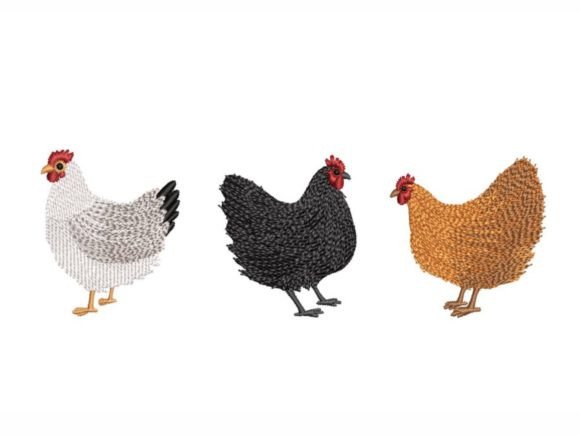
The immediate appeal of Three Chickens lies in its balanced composition. It avoids the cluttered look that plagues many low-quality embroidery files. The layout features three distinct poultry figures arranged in a way that creates a cohesive narrative without overwhelming the viewer. The mood is rustic yet polished, making it versatile enough for high-end home decor or playful children’s apparel.
From a technical standpoint, the design appears to utilize a smart mix of satin stitch for outlines and fill stitch for the bodies. This combination is crucial for maintaining definition. If the entire design were filled with dense stitching, it would become stiff and prone to puckering. Instead, the open areas allow the fabric texture to breathe, which is essential for creating a professional-looking finished product. The visual personality is friendly and approachable, fitting perfectly within the popular Farm Animals category without feeling generic.
Real-World Application: The Tote Bag Test
To truly evaluate an embroidery project, you must imagine it on a specific substrate. I recently considered using Three Chickens for a custom order of canvas tote bags. This is a common request for craft business owners during the spring and summer seasons. Canvas is a sturdy fabric, but it can be tricky if the stitch density is too high, as the needle perforations can weaken the material over time.
In this scenario, the design performed exceptionally well. The moderate stitch count meant the bag remained flexible rather than turning into a rigid board. The contrast of bright thread colors against natural cotton canvas created a striking visual that photographed beautifully for printable mockups and social media previews. For an Etsy seller, this kind of visual impact drives buyer engagement. The design scales well, meaning it doesn’t lose its charm when resized slightly to fit different bag dimensions, provided you stay within the recommended hoop size limits.
Versatility Across Product Lines
Beyond tote bags, this embroidery file offers significant versatility for small shop products. Here is how it translates across different categories:
- Custom Apparel: On sweatshirt embroidery, the design adds a cozy, handmade touch. It works particularly well on the left chest area or as a larger back print on youth sizes. The lines are clean enough to remain legible even after multiple washes.
- Home Decor: For pillow covers or kitchen towels, the rustic theme aligns perfectly with current farmhouse trends. The design serves as a focal point without dominating the entire textile.
- Baby Items: Soft baby embroidery requires gentle touches. Since Three Chickens does not appear overly dense, it is suitable for onesies or burp cloths, provided you use a soft cut-away stabilizer to prevent irritation against sensitive skin.
- Accessories: As an embroidered patch, this design could be appliqued onto caps or denim jackets. The clear outlines make it easy to trim if used as an applique design, reducing bulk and adding texture.
Technical Considerations and Fabric Choices
While the design is robust, no digital embroidery file is universal. You must exercise caution with certain materials. For instance, on stretchy fabrics like jersey knits, proper stabilization is non-negotiable. Without a adequate stabilizer, the satin stitch borders may warp, distorting the chickens’ shapes. Similarly, on dark fabrics, you must carefully select thread colors. A lack of contrast can cause the details to disappear. I recommend testing the design in black and white mockups first to ensure the values stand out.
Curved surfaces, such as caps, present another challenge. The width of the three-chicken arrangement might exceed the standard cap frame area depending on the specific hoop size you are using. Always measure your available stitching area before committing to a full production run. Additionally, avoid placing this design on very thin, sheer fabrics unless you are using a water-soluble topping to prevent the stitches from sinking into the weave.
Enhancing Brand Value and Customer Trust
For commercial embroidery professionals, consistency is key. Using high-quality design assets like Three Chickens helps build brand recognition. Customers associate clean, well-digitized embroidery with professionalism. When a personalized gift arrives with crisp edges and no loose threads, it reinforces trust in your craft business. This design supports that goal by offering clear paths for the needle to follow, minimizing the risk of thread breaks or bird nests during stitching.
Furthermore, the thematic relevance of Farm Animals appeals to a broad demographic. It is not limited to one season. While it fits naturally into holiday embroidery for Easter or Thanksgiving, its neutral charm makes it suitable for year-round sales. This longevity increases the return on investment for the digital embroidery file purchase.
Practical Designer Notes for Best Results
Before you launch this design into your next big batch of orders, consider these practical steps to ensure success:
- Test on Scrap Fabric: Always run a test stitch-out on the same type of fabric you intend to use for the final product. This reveals any tension issues or registration errors.
- Check Thread Contrast: Ensure your thread colors complement the fabric. High contrast usually yields better visibility for detailed areas.
- Review Stitch Density: If your machine allows, inspect the density settings. If the design feels too stiff, consider adjusting the pull compensation or using a lighter weight thread.
- Confirm Hoop Size: Verify that the design fits comfortably within your hoop with adequate margin for clamping. Do not push the design to the very edge.
- Licensing Verification: Before selling finished items or using this as a design asset for commercial purposes, confirm the license terms provided with the download. Most designers allow commercial use for physical goods but restrict the resale of the digital file itself.
In conclusion, Three Chickens is a reliable, aesthetically pleasing addition to any embroidery library. It balances charm with technical practicality, making it a strong candidate for both personal projects and commercial ventures. By respecting the limitations of your materials and following best practices for stabilization and thread selection, you can create stunning, durable products that customers will love.